Your Custom Text Here
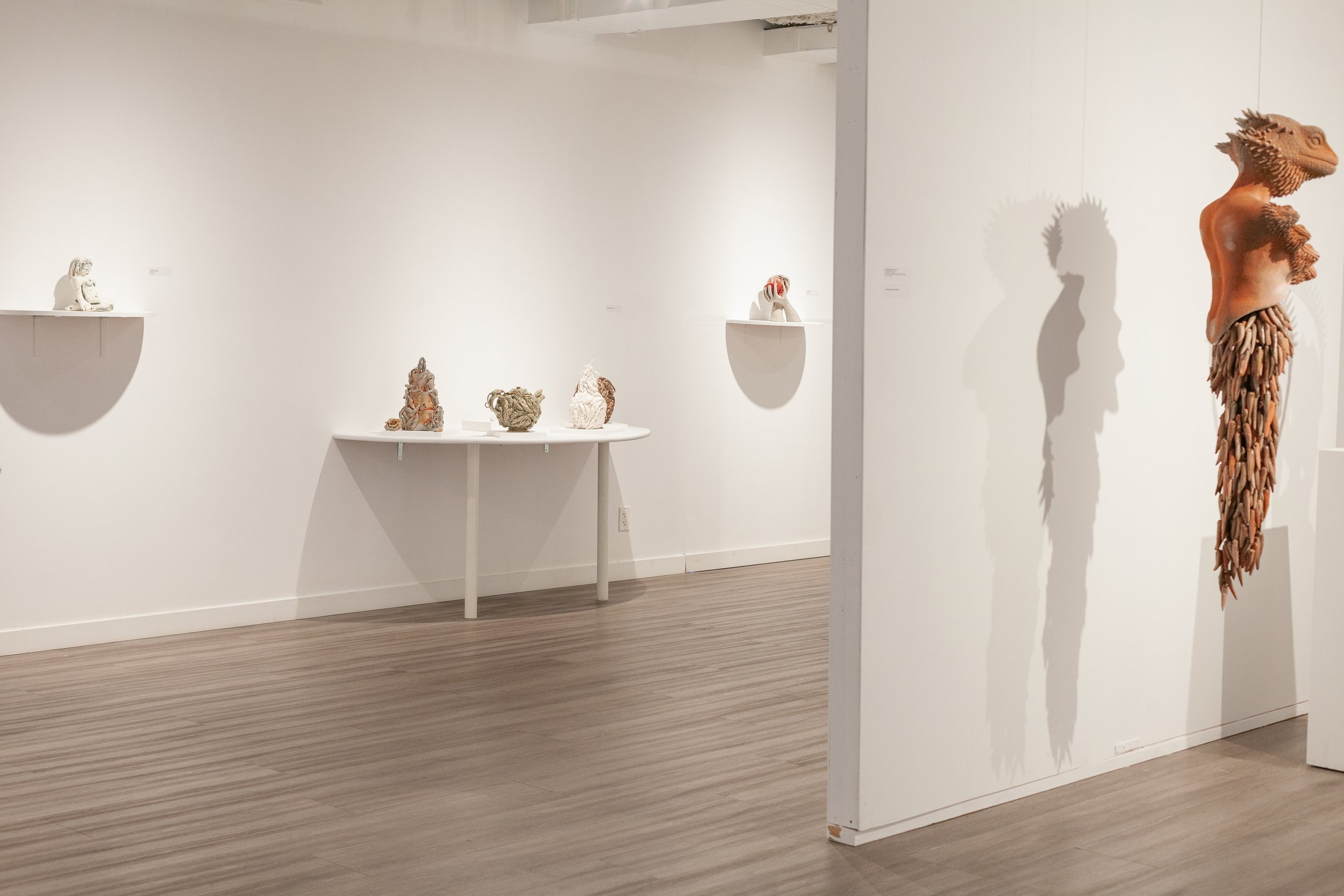
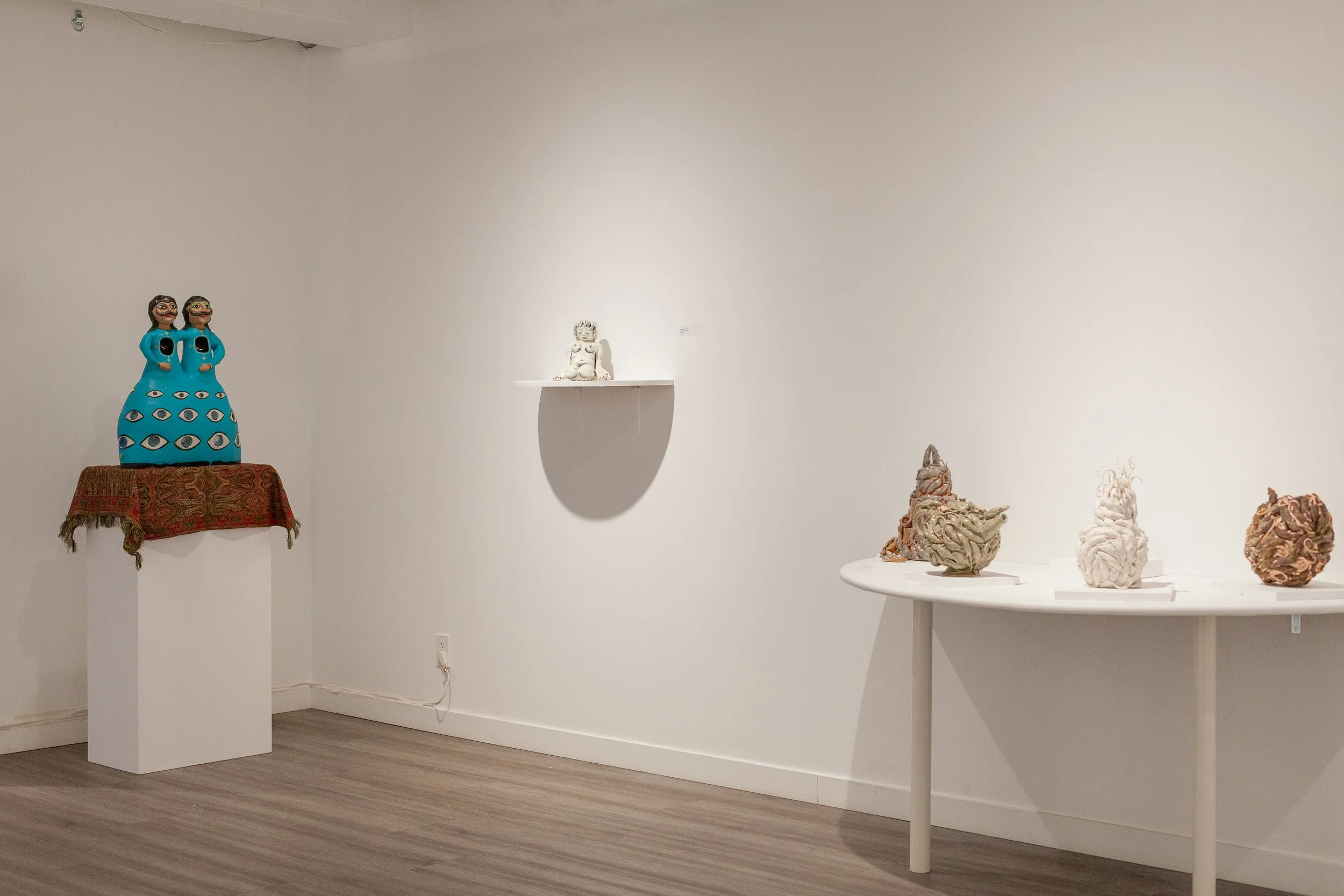
Kinship, a group exhibition of six Vancouver-based trans and gender-diverse ceramic artists curated by Jai Sallay-Carrington, runs March 19 through April 24, 2026. With Kinship, figurative ceramic practices become a means of grappling with queer and trans embodiment in all its complexity. Showcasing work by Rojina Farrokhnejad, Pedram Penhan, Cat Hart, Danya Gorodetsky, Felix Thomas, and Sallay-Carrington themself, Kinship is timed to coincide with International Transgender Day of Visibility (March 31) and is also a featured exhibition in the 2026 Canadian Clay Symposium (March 21–23). Arriving at a time when trans bodies remain highly politicized, these artists question how gender, sexuality, and desire shape one’s sense of belonging, or otherness, within culture.
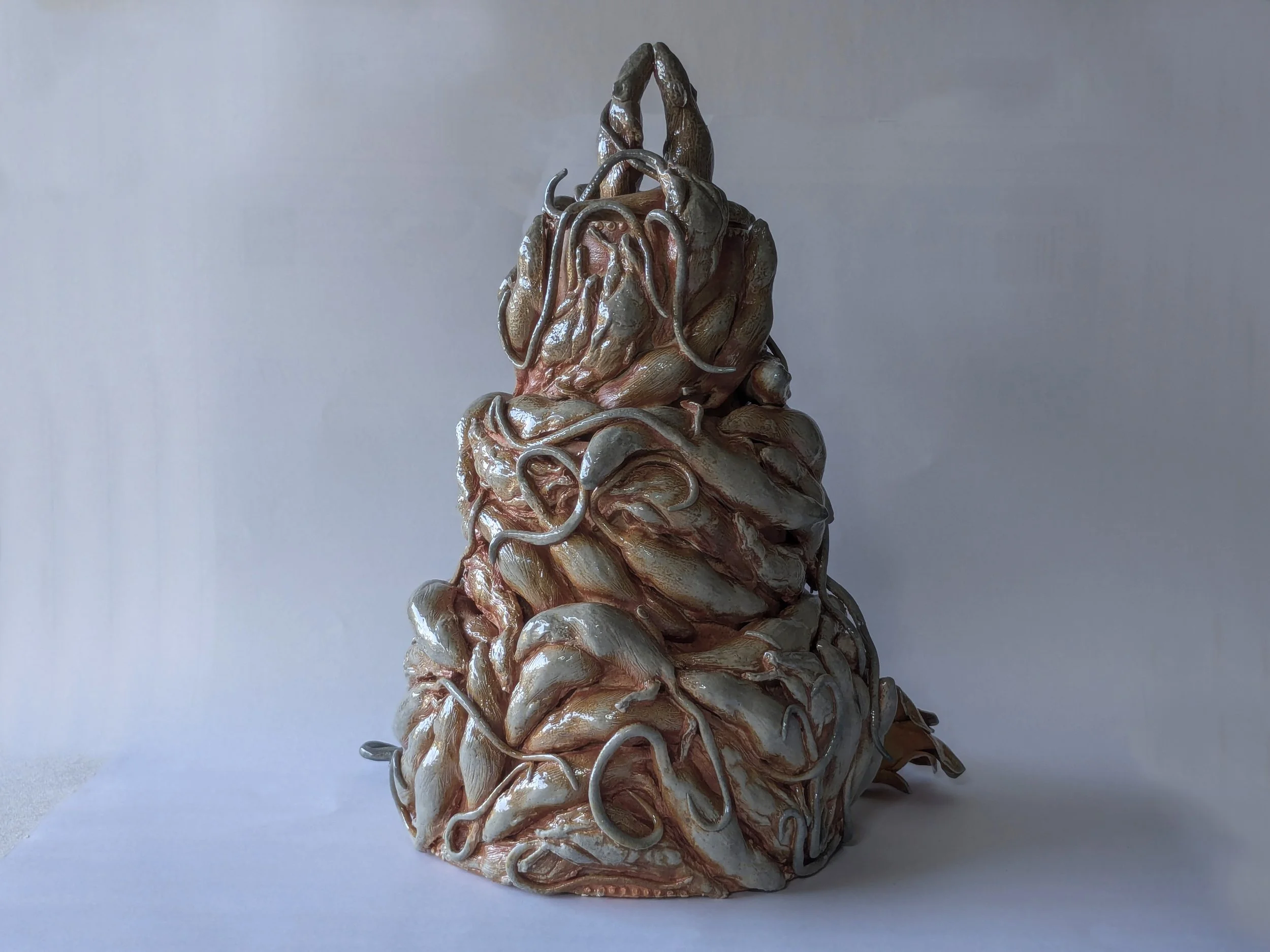
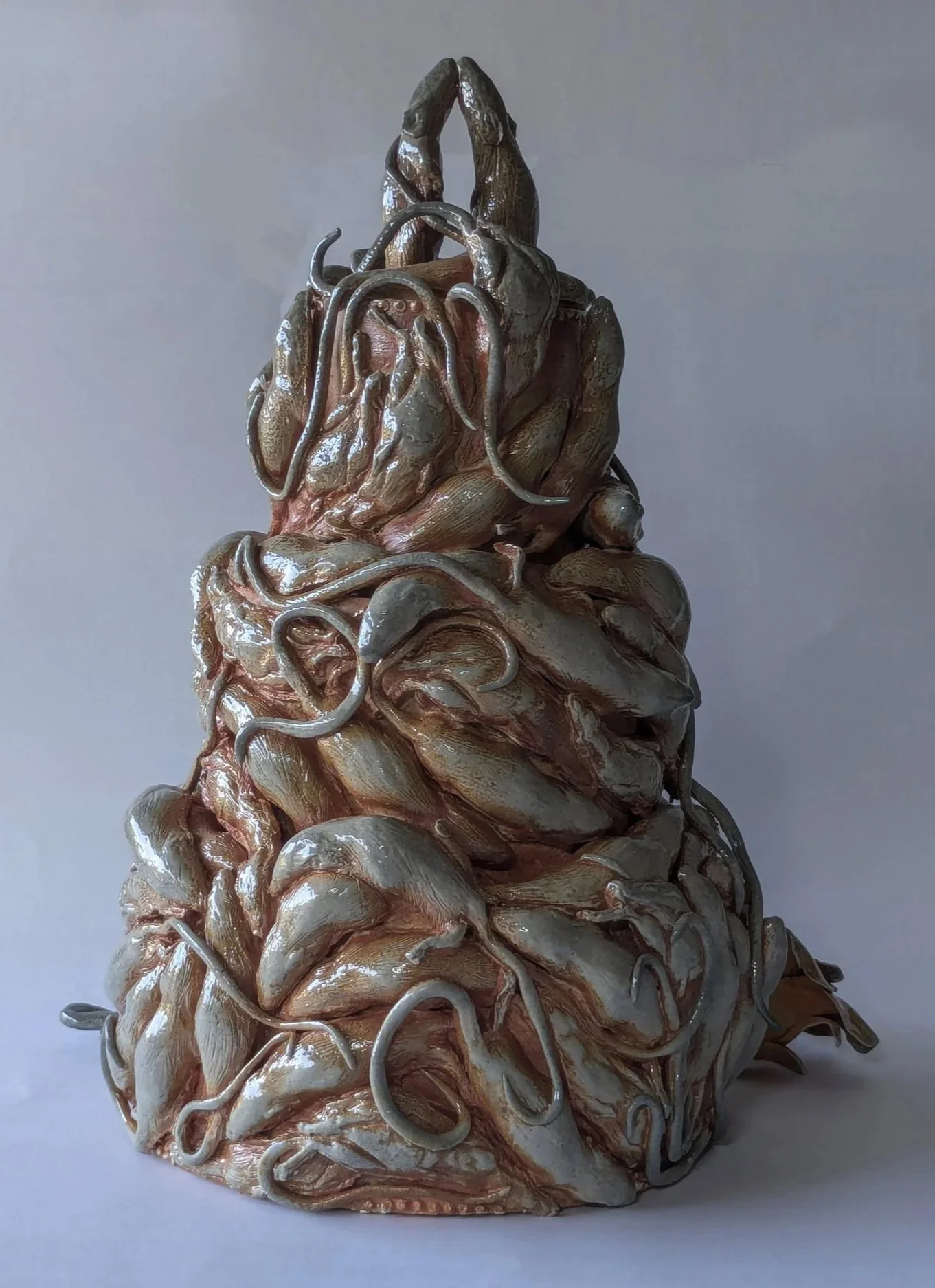
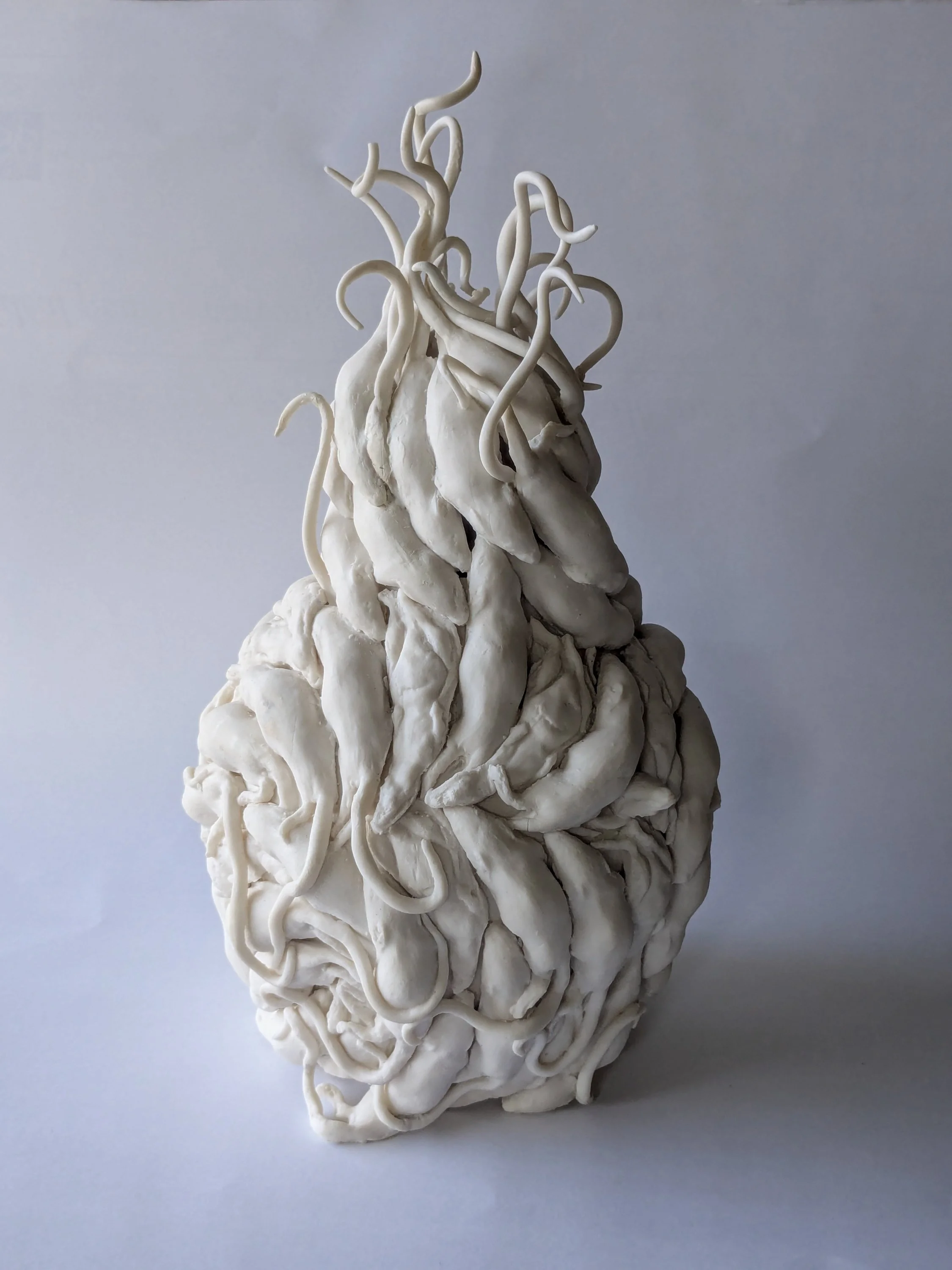
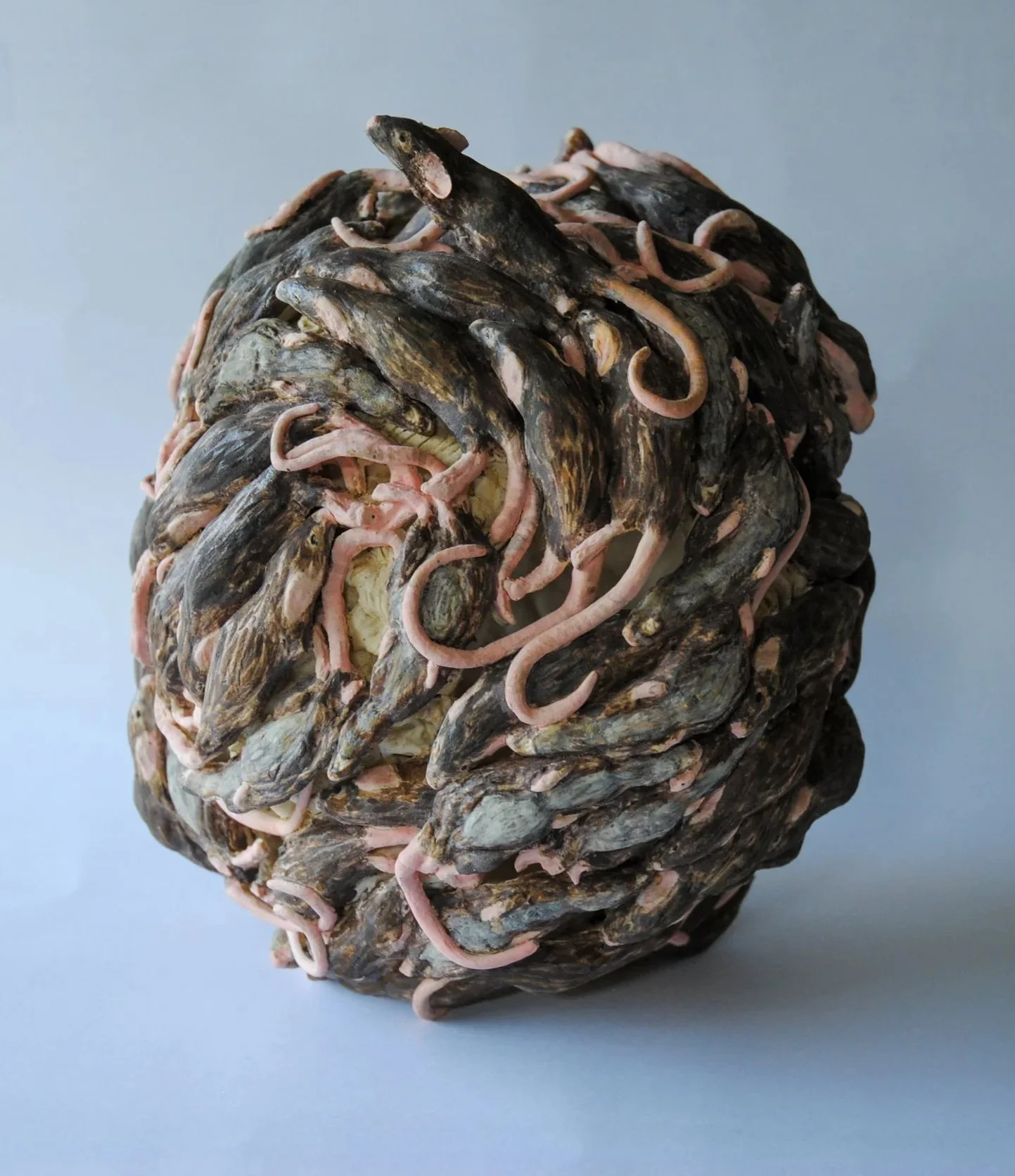
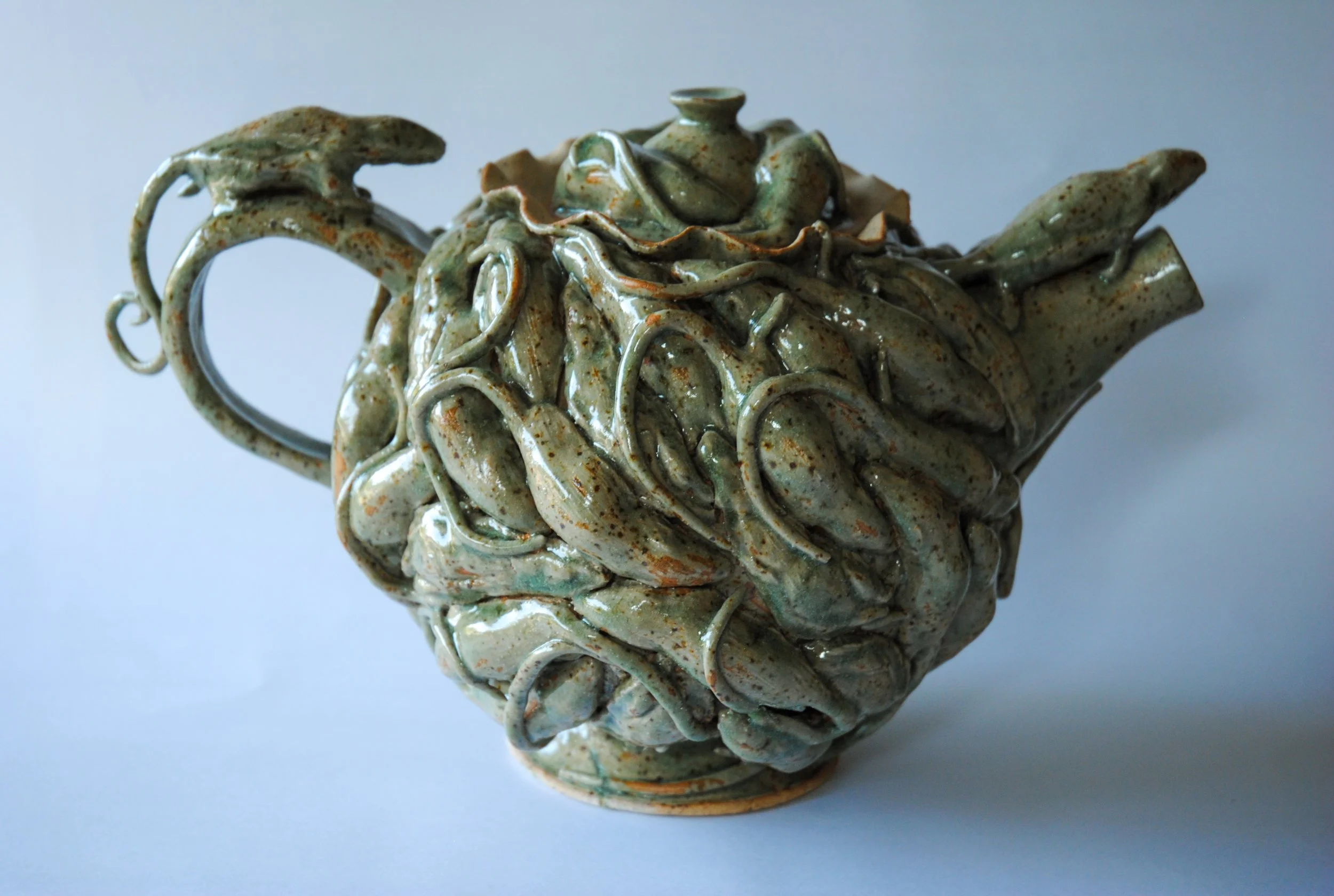
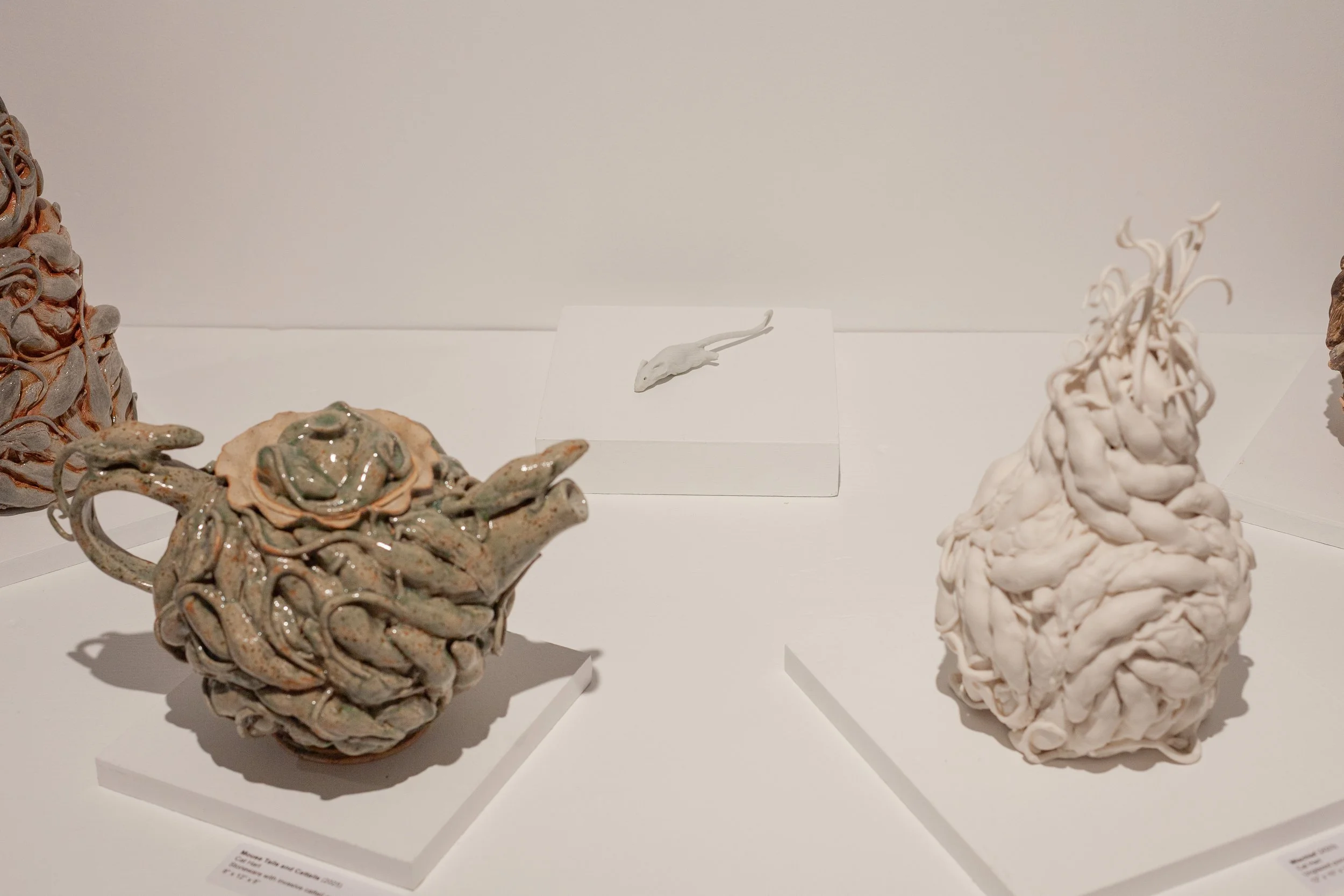
My pieces explore belonging and binaries. This work questions ideas of the ‘natural’ and challenges the binaries of human vs non-human and nature vs culture. Instead, I embrace the reality that we are nature; we are an essential part of complex ecologies and we impact the more-than-humans with whom we live in community as they impact us.
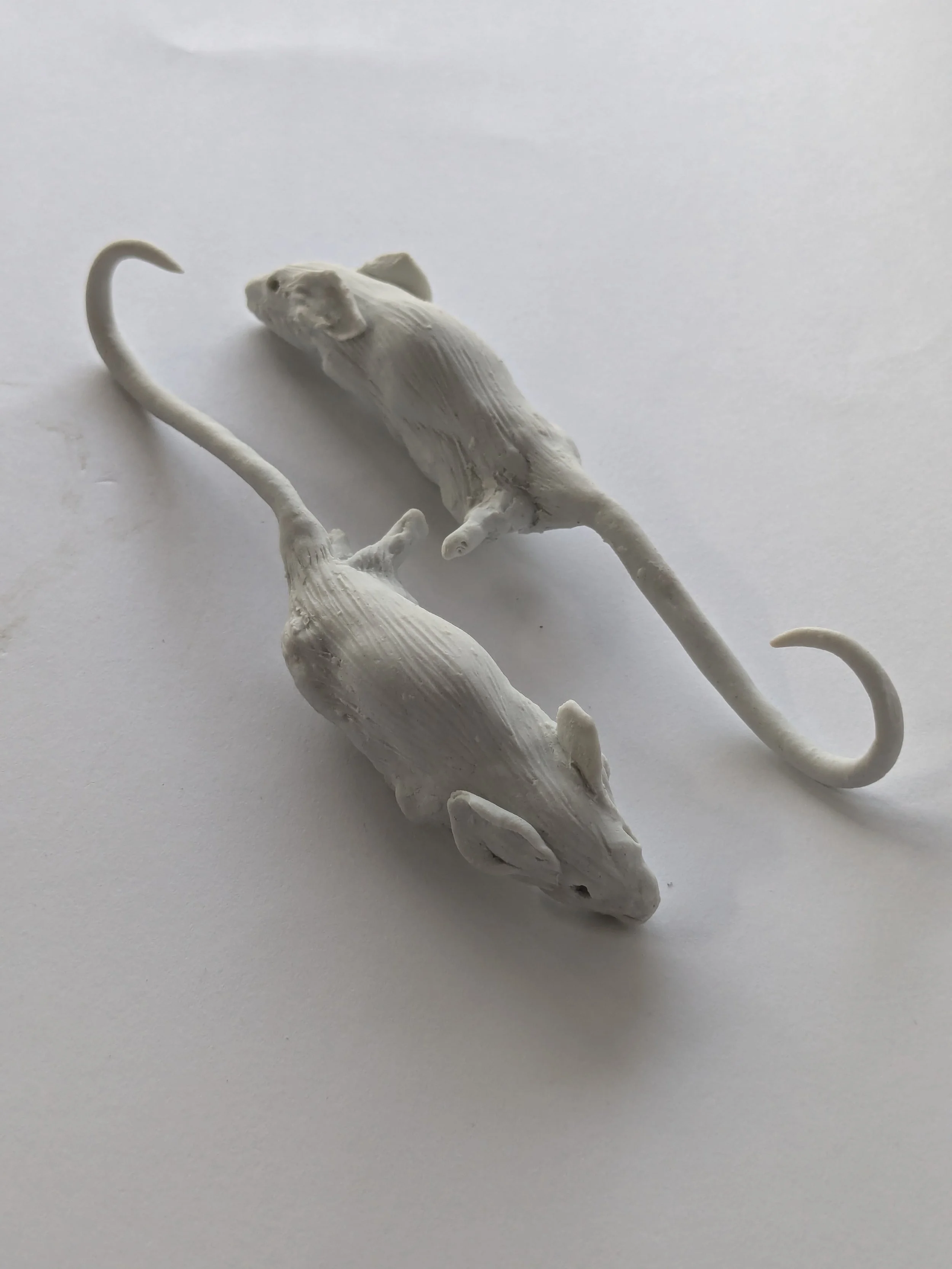
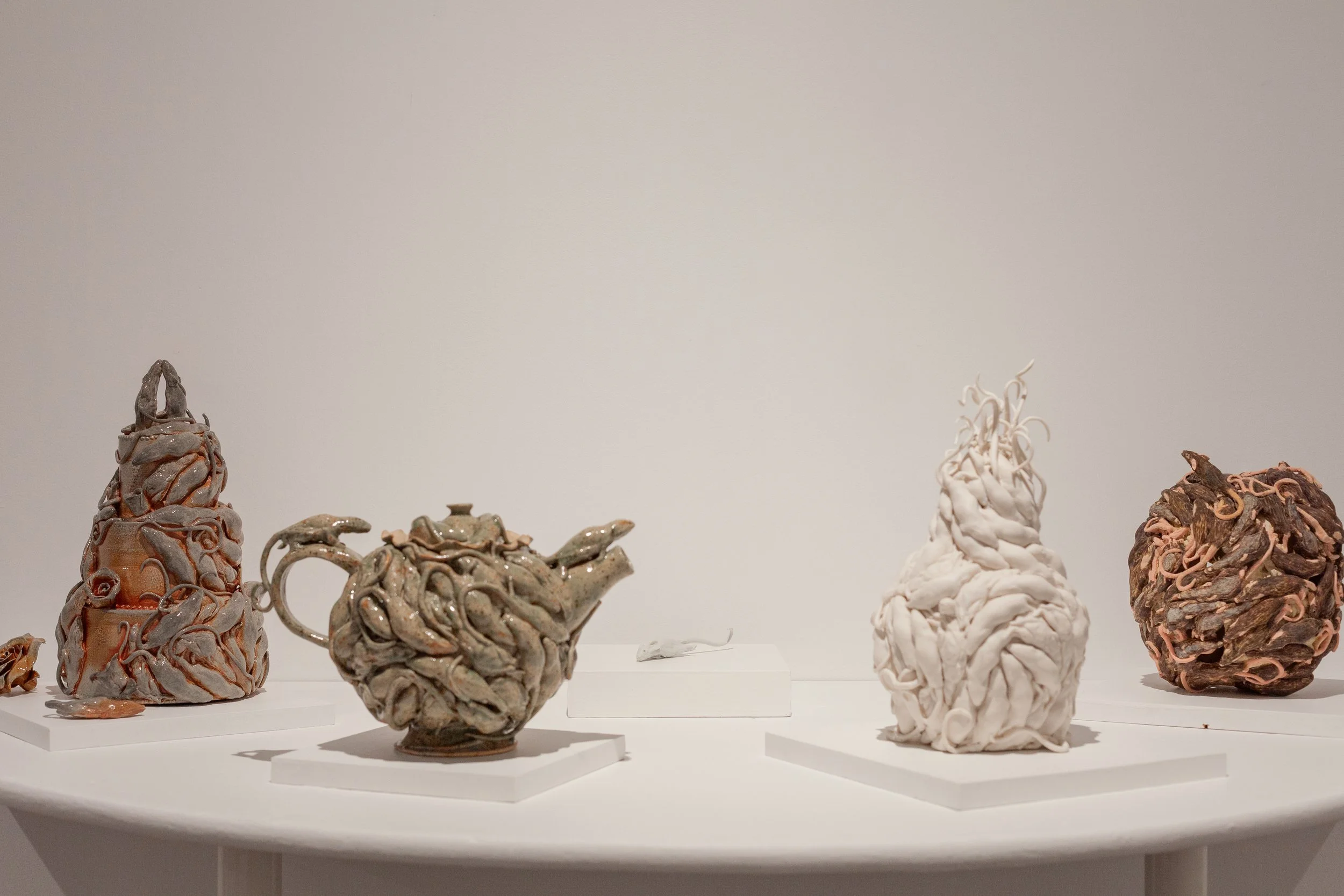
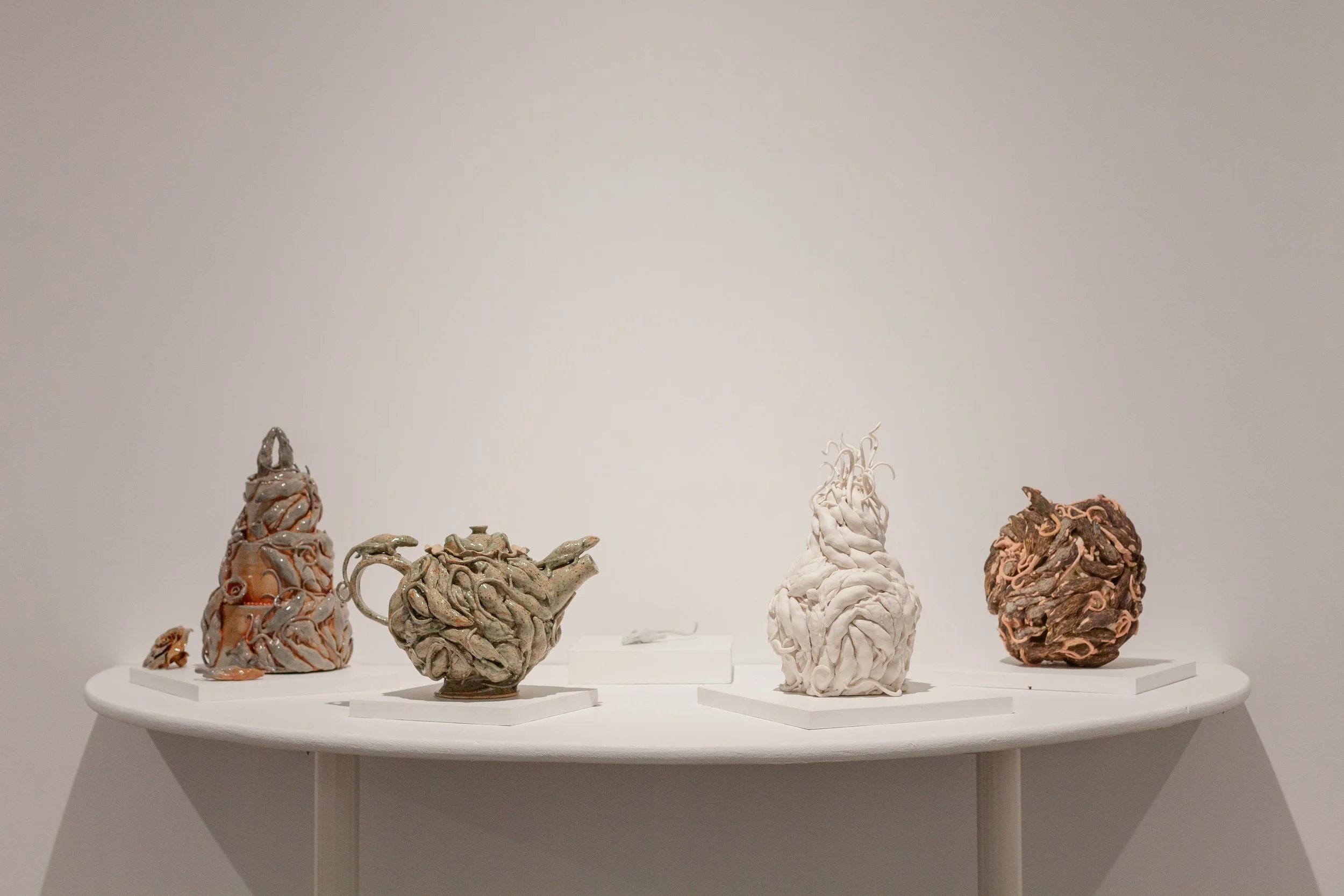
This body of work uses mice as an example of ‘nature’ which we often see as separate from us and combines them with objects that are seen as examples of purely human culture and civilization. This binary is false as clay and glazes are rocks and mud dug out of the ground or plants burned to make ash. When they enter our homes their living, tactile, elemental origins are often invisiblized. The ecologies from which these materials are extracted become secondary to their aesthetics and function.
The mice serve to queer these pieces of homeware and symbols of domesticity, challenging our internal assumptions around the binary between nature and culture, and the belief that nature belongs somewhere outside of ourselves and our homes.
Kinship, a group exhibition of six Vancouver-based trans and gender-diverse ceramic artists curated by Jai Sallay-Carrington, runs March 19 through April 24, 2026. With Kinship, figurative ceramic practices become a means of grappling with queer and trans embodiment in all its complexity. Showcasing work by Rojina Farrokhnejad, Pedram Penhan, Cat Hart, Danya Gorodetsky, Felix Thomas, and Sallay-Carrington themself, Kinship is timed to coincide with International Transgender Day of Visibility (March 31) and is also a featured exhibition in the 2026 Canadian Clay Symposium (March 21–23). Arriving at a time when trans bodies remain highly politicized, these artists question how gender, sexuality, and desire shape one’s sense of belonging, or otherness, within culture.
My pieces explore belonging and binaries. This work questions ideas of the ‘natural’ and challenges the binaries of human vs non-human and nature vs culture. Instead, I embrace the reality that we are nature; we are an essential part of complex ecologies and we impact the more-than-humans with whom we live in community as they impact us.
This body of work uses mice as an example of ‘nature’ which we often see as separate from us and combines them with objects that are seen as examples of purely human culture and civilization. This binary is false as clay and glazes are rocks and mud dug out of the ground or plants burned to make ash. When they enter our homes their living, tactile, elemental origins are often invisiblized. The ecologies from which these materials are extracted become secondary to their aesthetics and function.
The mice serve to queer these pieces of homeware and symbols of domesticity, challenging our internal assumptions around the binary between nature and culture, and the belief that nature belongs somewhere outside of ourselves and our homes.
Wedded
Mischief
Rat King (Mice on Ramen)
Mouse Tails and Cattails
Friends
Documentation by Ben Siegl
Quisque iaculis facilisis lacinia. Mauris euismod pellentesque tellus sit amet mollis.